
Planning the installation
When can you use a newly coated garage floor?
“Dry” is not the same question as “ready for a parked car.” A coated garage may have separate instructions for light foot traffic, returning belongings and vehicle use. Get those instructions for the actual system before the job so you can plan parking and storage.
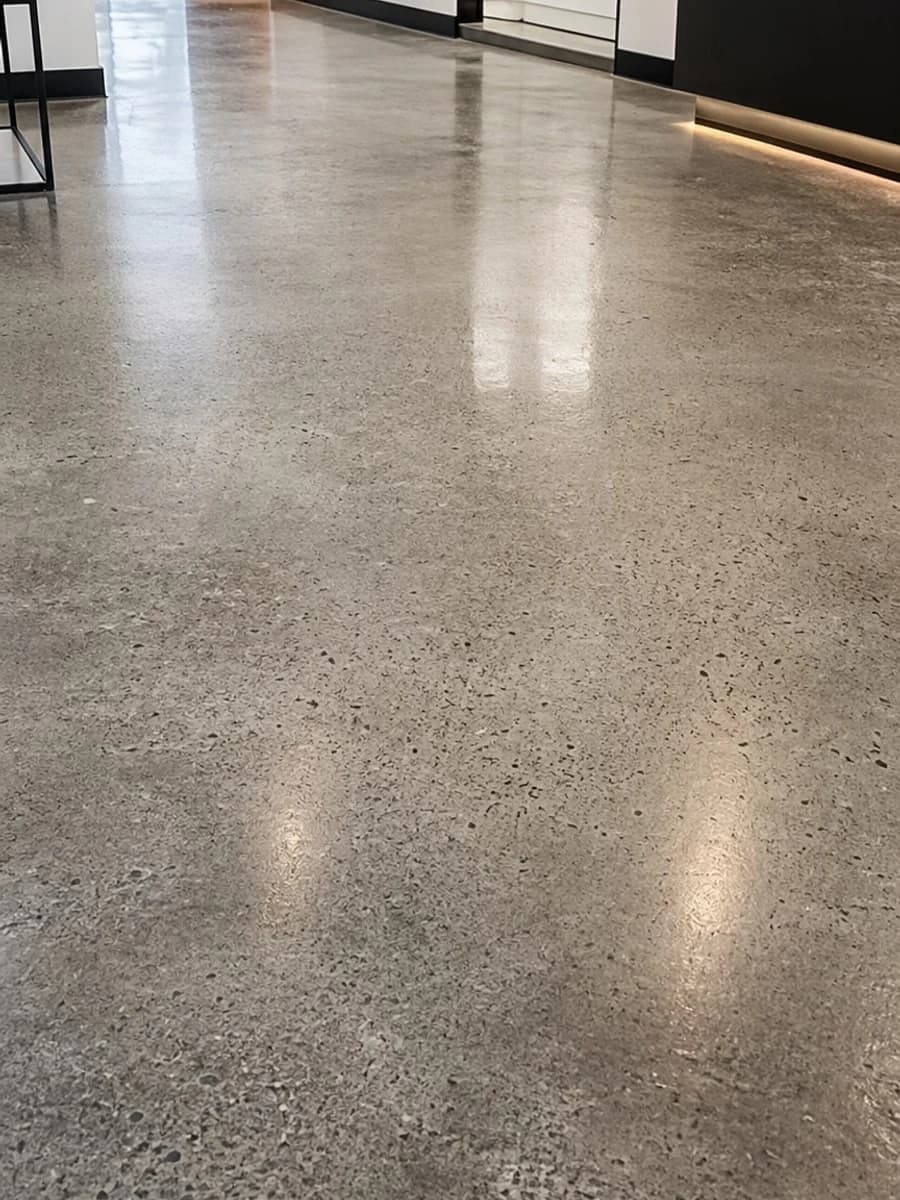
Ask for more than one milestone
Before installation, ask when the crew expects to finish applying the system and what happens afterward. Clarify the earliest permitted foot traffic, return of stored items and vehicle traffic. These can be different stages rather than one universal ready time.
Do not test the finish by touching it, dragging a bin over it or driving in because it looks dry. Follow the instructions provided for the installed system, including any restrictions that continue after the first permitted use.
The selected product and conditions matter
Coating manufacturers publish their own application and cure guidance. For example, Sika’s Sikafloor-515 product information lists different traffic and cure stages and notes that conditions affect timing. That is an example of product-specific guidance, not a statement that Ranpampam uses that product or that its times apply to your floor.
Ask which products are proposed and which site conditions may change the schedule. Avoid planning around a number taken from a different system’s brochure.
Arrange parking before the crew arrives
Count every vehicle that normally uses the garage and check where each can stay for the required period. Include building, association and street-parking rules. Tell us if the driveway is needed by other trades or must remain accessible to someone in the home.
A promised return time to a tenant or guest should be discussed before booking. If the floor cannot be released on that assumption, adjust the handover plan rather than putting early traffic on the coating.
Plan where the contents will go
Emptying a garage can be more work than expected. List shelving, appliances, storage cabinets and items that cannot easily move. Agree on clearing responsibilities and a storage location protected appropriately for the items.
Ask when furniture feet, storage loads and other objects can return, and how they should be moved. Dragging loaded cabinets or twisting heavy equipment onto a new finish is a different kind of use from careful foot traffic. Follow the system’s instructions for the actual task.
Leave with a written handover
Ask for the completion time, the use stages and the care instructions in one message or document. Confirm who to contact if weather or conditions change after the work. If you see something unexpected, send photos and ask before trying a cleaner or repair product.
The useful plan is specific: where the cars will stay, where the belongings will remain, and who will confirm that each stage of use is allowed. That is more reliable than a generic “ready tomorrow” promise.